

Artificial intelligence is now one of the biggest topics in public procurement. Public agencies are under pressure to modernize, improve efficiency, and do more with limited staff. At the same time, they must protect fairness, transparency, and public trust. That makes AI procurement for public agencies one of the most important public purchasing issues in 2026.
Many agencies are exploring AI tools for contract review, market research, supplier analysis, workflow automation, document drafting, spend visibility, and compliance support. These tools can save time and reduce administrative burden. However, buying AI is not the same as buying standard software. AI products can create new risks around bias, explainability, vendor lock-in, data protection, and accountability.
That is why procurement teams need a clear strategy. Public buyers cannot treat AI like a simple technology upgrade. They need to evaluate not only what the tool can do, but also how it works, how it uses data, how results can be reviewed, and who remains accountable when the system makes mistakes. In 2026, agencies that buy AI well will be the ones that balance innovation with strong procurement discipline.
Why AI Procurement Is Becoming a Major Public Purchasing Priority
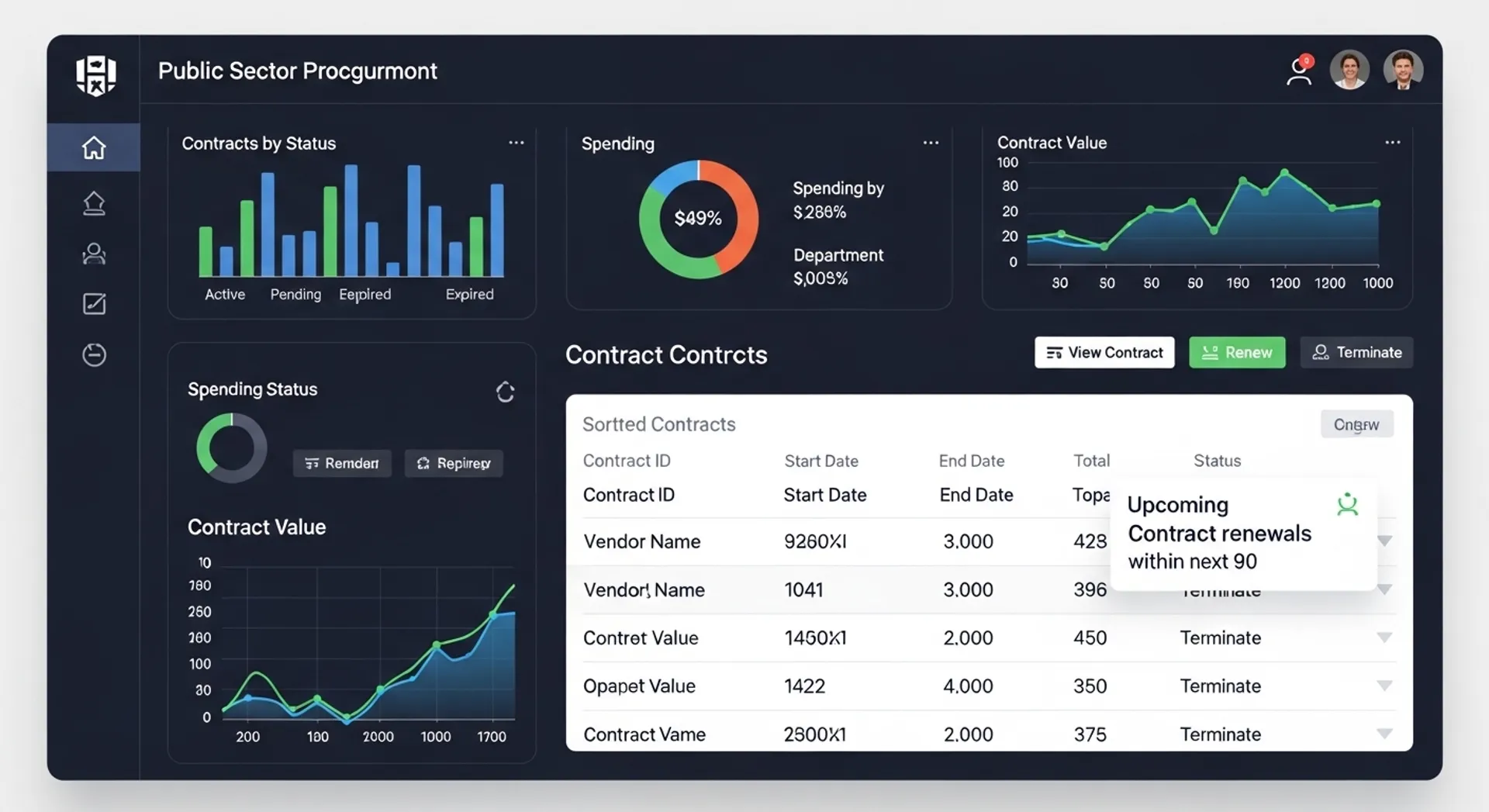
Public agencies are dealing with rising workloads, staffing shortages, and growing expectations for faster service. At the same time, the procurement function is becoming more complex. Buyers must manage compliance, document decisions, evaluate more data, and respond to policy goals tied to transparency, local sourcing, and supplier inclusion.
AI appeals to agencies because it promises speed. A tool may help summarize bids, compare vendors, surface pricing patterns, or organize procurement documents. Used correctly, that can support better decision-making and reduce manual work. Used poorly, it can create hidden risks that damage both procurement outcomes and public confidence.
Why agencies are looking at AI now
The timing is not random. Public procurement is already moving toward modernization. Digital systems, analytics, and workflow automation have become part of the broader push to improve public purchasing. AI now sits on top of that trend.
AI can support routine procurement work
Many procurement teams spend too much time on repetitive tasks. They review large volumes of documents, compare requirements, answer common vendor questions, and organize internal approvals. AI tools can help with those tasks when agencies use them carefully. They may support drafting, document classification, market scans, or contract tracking.
This does not mean AI should replace public judgment. It means staff can spend less time on repetitive administration and more time on strategic work. That includes supplier engagement, risk review, negotiation planning, and policy alignment.
Modernization pressure is not slowing down
Public procurement professionals face pressure to modernize while still meeting legal and ethical obligations. Agencies want better visibility, stronger reporting, and more efficient purchasing operations. AI seems like a natural next step because it can build on existing digital procurement systems.
However, speed alone is not enough. Procurement leaders still need to ask basic questions. Is the system reliable? Can staff understand how it reached an output? Does it create fairness risks? Can the agency audit the process later? These questions matter because public procurement is not only about efficiency. It is also about accountability.
Why AI requires a different buying approach
Traditional software procurement often focuses on features, implementation, and price. AI procurement for public agencies requires a broader review. Agencies also need to understand training data, model limitations, human oversight, system updates, and how outputs may change over time.
That is especially important when AI affects vendor evaluation, contract administration, fraud detection, or compliance screening. In those areas, the stakes are higher because errors can affect competition, access, fairness, and trust.
This is where existing MAPPI content creates a natural internal-link structure. Readers interested in this topic may also want to review How Technology Is Transforming Public Purchasing, Best Practices for Ethical Procurement in Public Agencies, and Navigating Public Procurement: A Guide for Missouri Professionals.
What Public Agencies Should Do Before Buying AI Tools
The biggest mistake an agency can make is buying an AI product before defining the problem. Procurement teams should start with the business need. They should ask what specific issue the tool is supposed to solve, what success looks like, and whether AI is actually the right answer.
In some cases, a standard workflow tool or better data structure may solve the problem without the extra risk of AI. In other cases, AI may bring real value. The key is disciplined evaluation before the agency commits budget, staff time, and operational trust to the system.
How to evaluate AI vendors more carefully
Agencies should require more than polished demos. Vendors often show ideal use cases, but public buyers need evidence. That means asking detailed questions about data practices, model performance, error handling, accessibility, auditability, and contract terms.
Ask how the system works and how it is governed
Procurement teams should ask vendors to explain how the system generates outputs, what data it uses, how often it updates, and what controls exist for human review. If the vendor cannot explain the tool clearly, that is a warning sign.
Agencies should also ask who owns the data, whether agency information is used to train the model, what cybersecurity protections apply, and how errors can be challenged or corrected. If the tool influences procurement decisions, the agency should preserve the ability to review and defend those decisions later.
Build transparency and accountability into the contract
Strong contracts matter even more with AI systems. Agencies should define performance expectations, reporting requirements, data-use limits, security obligations, and audit rights. They should also address updates. Some AI systems change over time, which means the product delivered on day one may not behave the same way six months later.
That is why procurement teams should include language on change management, approval of material updates, and vendor cooperation during compliance reviews. Clear contract terms help agencies maintain control instead of relying on vague promises.
Why ethics, fairness, and supplier access still matter
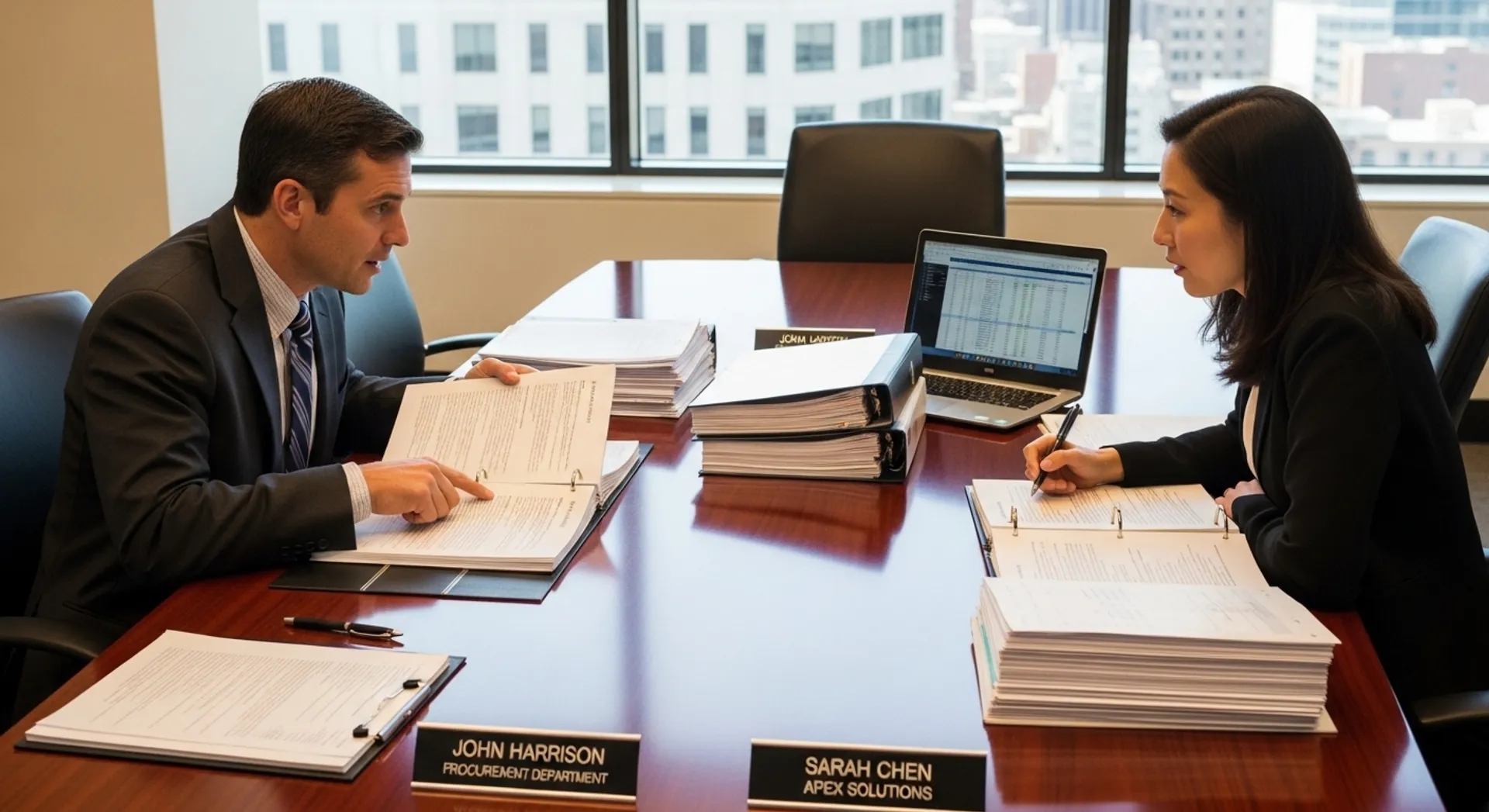
Public procurement cannot ignore fairness just because a tool is advanced. If AI affects screening, scoring, vendor outreach, or contract visibility, agencies must consider whether the system could disadvantage smaller suppliers or reduce transparency.
That concern connects directly with broader procurement priorities already discussed on your site. For example, AI procurement should not work against goals tied to supplier diversity, SME participation, or equitable access to public opportunities. A fast system that quietly narrows competition is not a success.
That makes it useful to connect this article to Supplier Diversity & SME Engagement: Why It Matters Now for Public Agencies and Top Legal Considerations for Public Purchasing in Missouri. Public agencies still need lawful, fair, and defensible procurement processes even when new tools are involved.
Internal governance matters too. Agencies should decide who can use AI, what tasks are appropriate, how outputs will be reviewed, and when human approval is mandatory. Staff training is essential. A good policy can prevent overreliance, poor documentation, and accidental misuse.
Agencies should also start small. A pilot project with limited scope often works better than a full rollout. It allows teams to test usefulness, review risks, and build internal confidence before the tool affects higher-stakes decisions.
For an external authority source, the OECD guidance on AI in public procurement is a strong reference point because it explains how AI may support specification setting, supplier analysis, pricing review, and compliance while still raising governance questions.
The bottom line is simple. AI procurement for public agencies is not only a technology story. It is a governance story. The agencies that succeed in 2026 will not be the ones that buy AI fastest. They will be the ones that define clear needs, ask hard questions, protect transparency, and keep human accountability at the center of every procurement decision.