
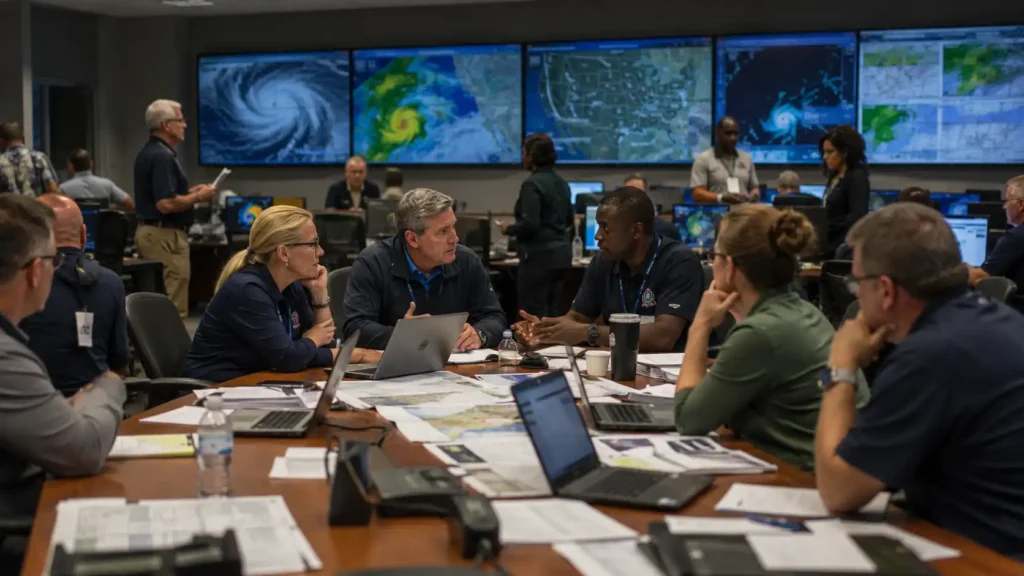
Natural disasters can place immediate pressure on public agencies across the United States. Hurricanes, wildfires, floods, tornadoes, winter storms, and earthquakes can interrupt supply chains, damage public infrastructure, and create urgent community needs. During these situations, procurement teams play an important role in helping agencies access supplies, emergency services, temporary shelter, fuel, medical resources, and recovery equipment.
Emergency procurement is different from regular purchasing. Standard procurement timelines may not work when a community needs supplies within hours. Public purchasing professionals often have to balance speed, transparency, compliance, and accountability while working under pressure. A strong emergency procurement plan can help agencies respond faster and make better decisions during difficult situations.
Public agencies across the country are now placing more attention on disaster readiness. Many local governments are improving purchasing policies, building vendor relationships, investing in digital procurement tools, and coordinating more closely with emergency management teams. These efforts can help agencies respond to disasters in a more organized and responsible way.
According to FEMA, preparation and coordination are key parts of disaster response and recovery.
Understanding Emergency Procurement
Emergency procurement refers to purchasing procedures used during urgent situations when normal procurement timelines are not practical. These procedures are often activated when a natural disaster threatens public safety, essential services, or government operations.
In many cases, emergency procurement may involve buying shelter materials, generators, fuel, food, bottled water, medical supplies, debris removal services, temporary housing support, communication equipment, and public safety resources. These needs can arise quickly, especially when roads are blocked, power systems fail, or residents are displaced.
Even during an emergency, public agencies still need proper documentation. Faster purchasing does not remove the need for accountability. Agencies must still track approvals, vendor communications, pricing, deliveries, and contract details. This documentation can also become important later for audits, public reporting, and possible reimbursement requests.
The Importance Of Speed During Emergency Procurement
Natural disasters often leave little time for traditional purchasing procedures. A hurricane, wildfire, or major flood can create urgent needs in a matter of hours. If supplies are delayed, emergency response efforts can be affected.
This is why many agencies create emergency procurement plans before disaster strikes. These plans may identify who has purchasing authority, which vendors can respond quickly, and what steps staff should follow during an emergency. When these details are already clear, agencies can avoid confusion and respond more efficiently.
Procurement teams also need to work closely with emergency management, public works, law enforcement, healthcare providers, and finance departments. Strong communication between departments can help prevent duplicate orders, missed requests, and delays in getting supplies to the right locations.
Internal Link Suggestions:
Navigating Public Procurement: A Guide for Missouri Professionals
How MAPPI Is Shaping the Future of Public Purchasing in Missouri
Creating Clear Emergency Procurement Policies
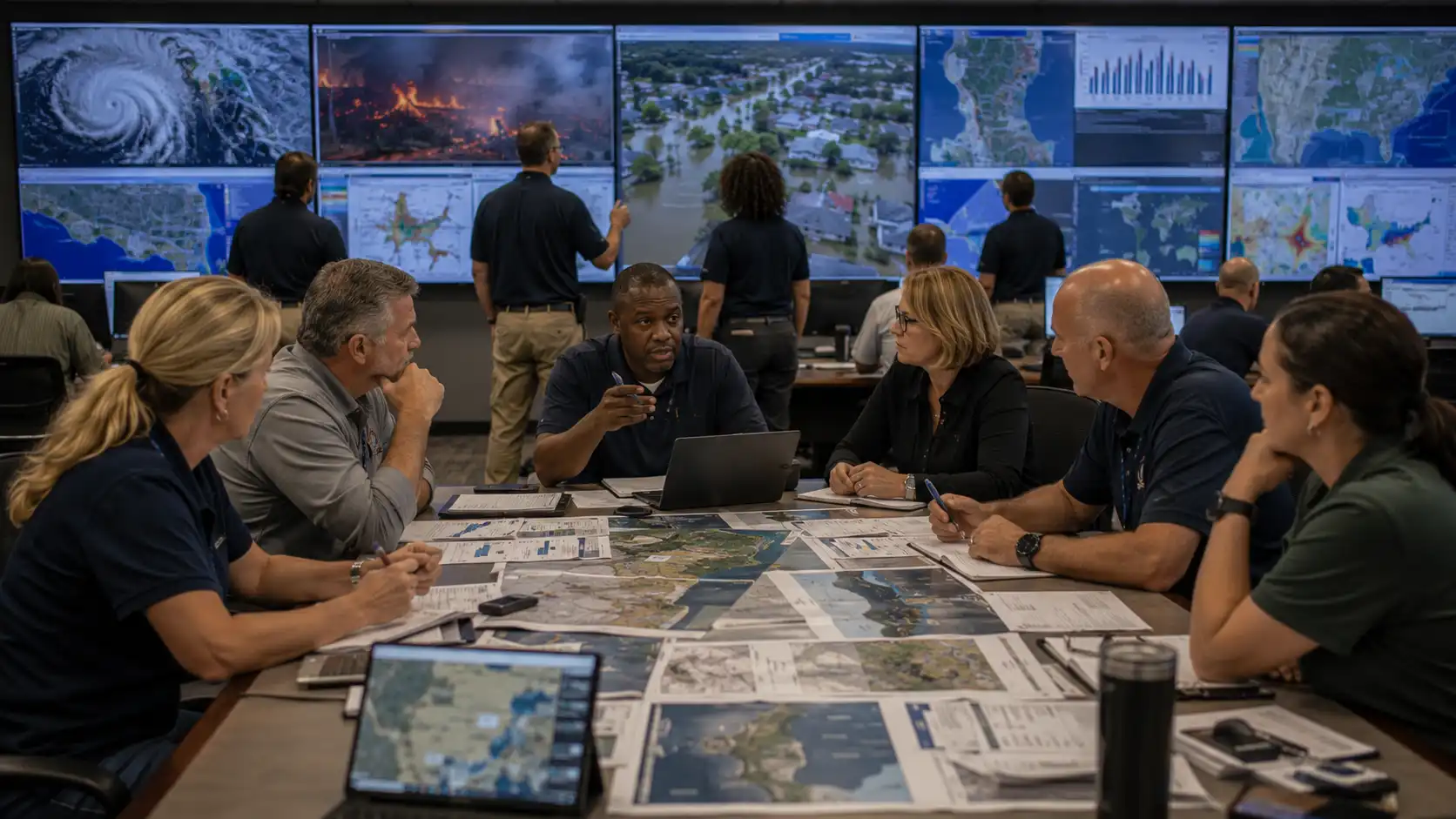
A clear emergency procurement policy gives staff a roadmap during high-pressure events. Without clear rules, employees may hesitate, make inconsistent decisions, or miss key documentation steps.
A strong policy should explain when emergency purchasing procedures apply, who can approve purchases, what spending limits apply, and what records must be kept. It should also describe how contracts are activated, how vendors are contacted, and how purchases are reviewed after the emergency.
Agencies should review these policies regularly. Natural disaster risks, supply chain conditions, vendor availability, and technology tools can change over time. A policy that worked five years ago may need updates today.
Training is also important. Staff members should understand the policy before a disaster occurs. Tabletop exercises and emergency drills can help procurement teams test their procedures and find gaps before a real crisis happens.
Building Vendor Relationships Before Disasters
Strong vendor relationships can make a major difference during natural disasters. Agencies that already know their suppliers may have faster access to emergency goods and services.
Before disaster season, procurement teams can review vendor lists, update contact information, confirm product availability, and discuss emergency response expectations. These conversations can help vendors understand what agencies may need during hurricanes, floods, wildfires, or winter storms.
Pre-existing contracts can also reduce delays. If an agency already has agreements in place for fuel, generators, debris removal, temporary facilities, or emergency supplies, it may be easier to respond quickly when a disaster occurs.
Supplier diversity also matters. Relying on only one vendor can create problems if that vendor is affected by the same disaster. Agencies may benefit from having backup suppliers in different regions.
Maintaining Transparency During Emergency Purchasing
Emergency procurement often requires quick action, but transparency remains essential. Public agencies are still responsible for using public funds carefully and maintaining trust with the communities they serve.
Good documentation is one of the best ways to support transparency. Agencies should record why the emergency purchase was needed, who approved it, which vendor was selected, what was purchased, and how much it cost.
Digital procurement systems can make this process easier. Cloud-based records, electronic approvals, and centralized vendor files can help agencies track purchases even when staff are working from different locations.
Transparency is also helpful after the disaster. Agencies may need to explain spending decisions, respond to public records requests, or support reimbursement claims. Clear records can reduce confusion and strengthen public confidence.
Using Technology To Improve Emergency Procurement
Technology is becoming a bigger part of emergency procurement across the United States. Digital tools can help agencies track purchases, monitor inventory, communicate with vendors, and manage contracts during fast-moving events.
E-procurement platforms can help staff process requests faster. Inventory systems can show which supplies are available and which items need to be ordered. Vendor databases can make it easier to contact suppliers during an emergency. Logistics tools can help track deliveries and identify delays.
Technology also supports collaboration. During regional disasters, multiple agencies may need similar supplies at the same time. Shared systems and better data can help agencies coordinate rather than compete for limited resources.
Cybersecurity should also be part of the conversation. Emergency procurement systems may contain sensitive vendor, financial, and operational information. Agencies should protect these systems, especially during disasters when cyber risks may increase.
Managing Supply Chain Disruptions
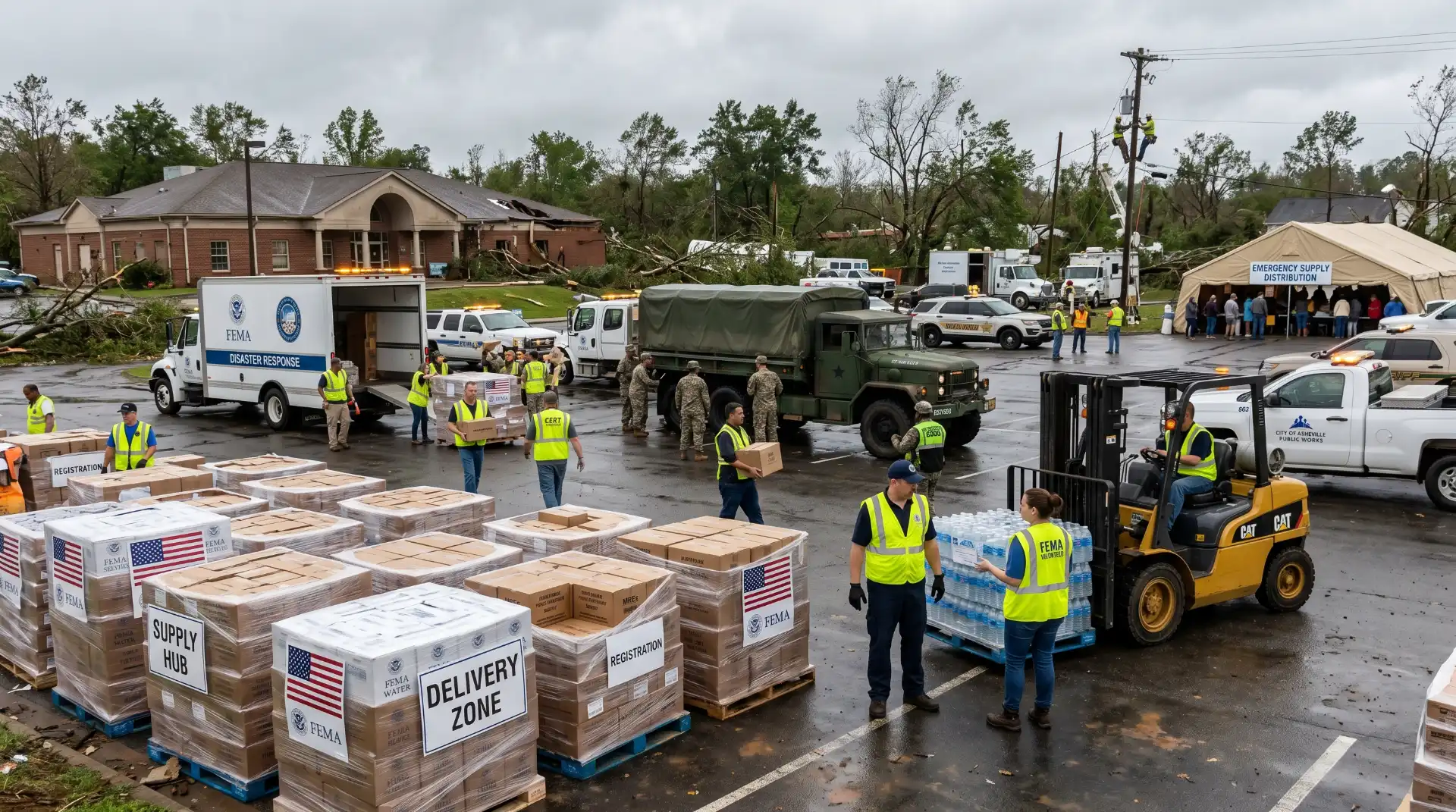
Natural disasters can disrupt transportation, manufacturing, warehousing, and delivery routes. Roads may close, airports may delay flights, fuel supplies may shrink, and warehouses may be damaged.
Procurement teams should plan for these disruptions before they happen. This may include identifying alternate suppliers, reviewing regional distribution options, keeping emergency stock for high-priority items, and coordinating with neighboring jurisdictions.
Communication with vendors is also critical. During an emergency, agencies need timely updates about product availability, delivery schedules, and possible delays. Regular communication can help agencies adjust quickly and avoid relying on supplies that may not arrive on time.
Regional coordination can also help. Counties, cities, school districts, and state agencies may be able to share information, resources, or supplier contacts during large disasters.
Training Procurement Teams For Emergency Response
Emergency procurement requires confidence and preparation. Staff members may need to make decisions quickly while following agency rules and legal requirements.
Training should cover emergency purchasing procedures, approval requirements, contract documentation, vendor communication, ethics, and inventory tracking. Procurement teams should also understand how their role connects with emergency management and finance departments.
Practice exercises can be especially helpful. A tabletop drill can show whether staff know who to contact, what forms to use, how to document urgent purchases, and how to communicate with vendors.
Training should not be limited to procurement staff. Department heads, emergency managers, and finance teams should also understand emergency purchasing rules. This helps everyone work from the same process during a disaster.
The Role Of Cooperative Purchasing
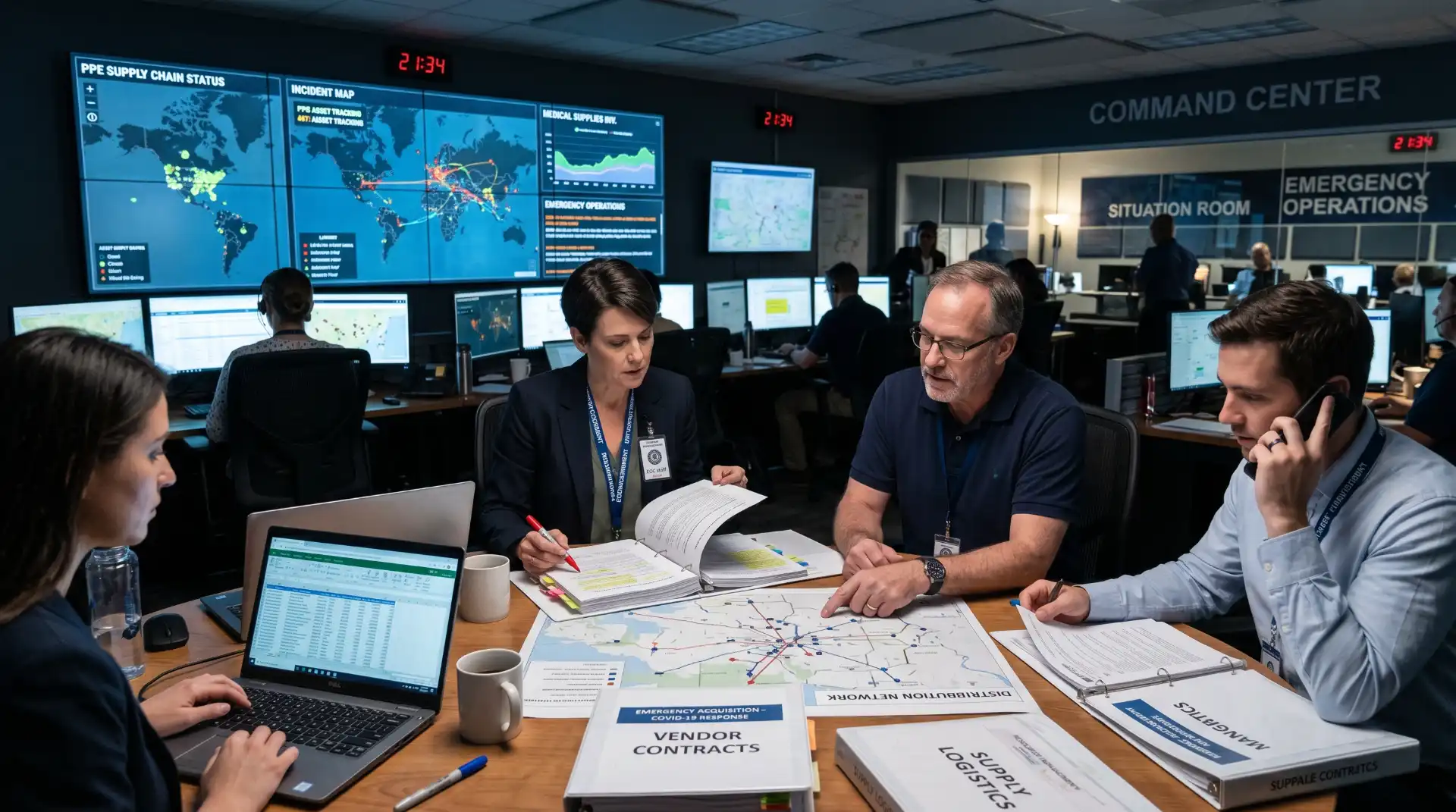
Cooperative purchasing can help agencies move faster during emergencies. Through cooperative contracts, agencies may access vendors and pricing that have already gone through a competitive process.
This can be useful for smaller agencies that may not have large procurement teams. Instead of starting a new process during a disaster, they may use existing cooperative agreements for supplies, equipment, or services.
However, agencies should still review rules before using cooperative contracts. State laws, local policies, and grant requirements may affect how these agreements can be used. Procurement teams should confirm that cooperative purchasing methods meet applicable requirements before an emergency happens.
Lessons From Recent Natural Disasters
Recent disasters in the United States have shown why emergency procurement planning matters. Hurricanes, wildfires, winter storms, floods, and tornadoes have all created urgent purchasing needs for local and state agencies.
One common lesson is that preparation cannot wait until the disaster begins. Agencies need updated policies, trained staff, active vendor relationships, and clear communication channels before an emergency occurs.
Another lesson is that supply chains can fail quickly. Agencies that depend on one supplier or one delivery route may face serious delays. Backup vendors and flexible purchasing options can help reduce these risks.
Documentation is another important lesson. Even when staff are working under pressure, records still matter. Clear documentation can help agencies review spending, respond to questions, and support recovery funding requests.
The Future Of Emergency Procurement In The United States
Emergency procurement is likely to become even more important as communities face severe weather, infrastructure strain, and supply chain uncertainty. Public agencies may continue investing in technology, vendor planning, cooperative purchasing, and staff training.
Artificial intelligence and data tools may also help agencies forecast supply needs, identify vendor risks, and improve emergency planning. However, agencies should use these tools carefully and keep human oversight in procurement decisions.
The future of emergency procurement may depend on preparation, flexibility, and coordination. Agencies that plan ahead can respond more confidently when disasters affect their communities.
Conclusion
Emergency procurement during natural disasters requires speed, planning, transparency, and coordination. Public agencies across the United States need systems that allow them to act quickly while still protecting public trust.
Clear policies, strong vendor relationships, trained staff, digital tools, and accurate documentation can all support better emergency purchasing. When procurement teams are prepared, they can help agencies deliver essential supplies and services during some of the most difficult moments communities face.
Emergency procurement is not only about buying quickly. It is about helping public agencies respond responsibly when people, infrastructure, and essential services are at risk.